Stage 01
Assess communication
Explore understanding, expression and how language is used day to day.

Support for receptive and expressive language, developmental language disorders and vocabulary development.


Language Delay & Disorders
Language therapy addresses how a person understands and uses language. For children, this may involve early communication, vocabulary, sentence building and understanding instructions.
Nadine’s experience includes Developmental Language Disorder (DLD) and expressive language disorders. Activities and goals are selected around the individual’s profile, with guidance for the family between sessions.
Understanding languageWords, questions and instructions in everyday situations.
Expressing ideasVocabulary, sentences and sharing needs or experiences.
Developmental language needsAssessment and intervention for DLD and other language difficulties.
Home supportStrategies fitted to the family’s routines and language context.
How it is staged
The pace and content are adapted to the individual’s needs.
Stage 01
Explore understanding, expression and how language is used day to day.

Stage 02
Work on selected language goals through age-appropriate activities.
Stage 03
Review progress and help the family use strategies beyond the session.
Why it is done this way
Goals follow the person’s needs, abilities and daily routines.
Practical guidance helps relatives and caregivers support the work.
Therapy focuses on communication and activities that matter to the person.
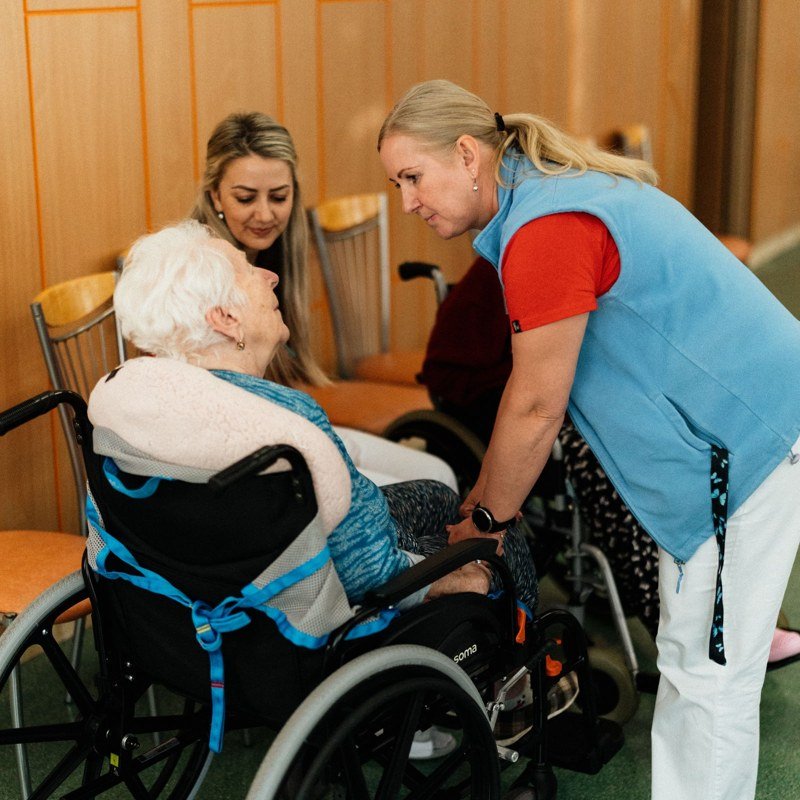
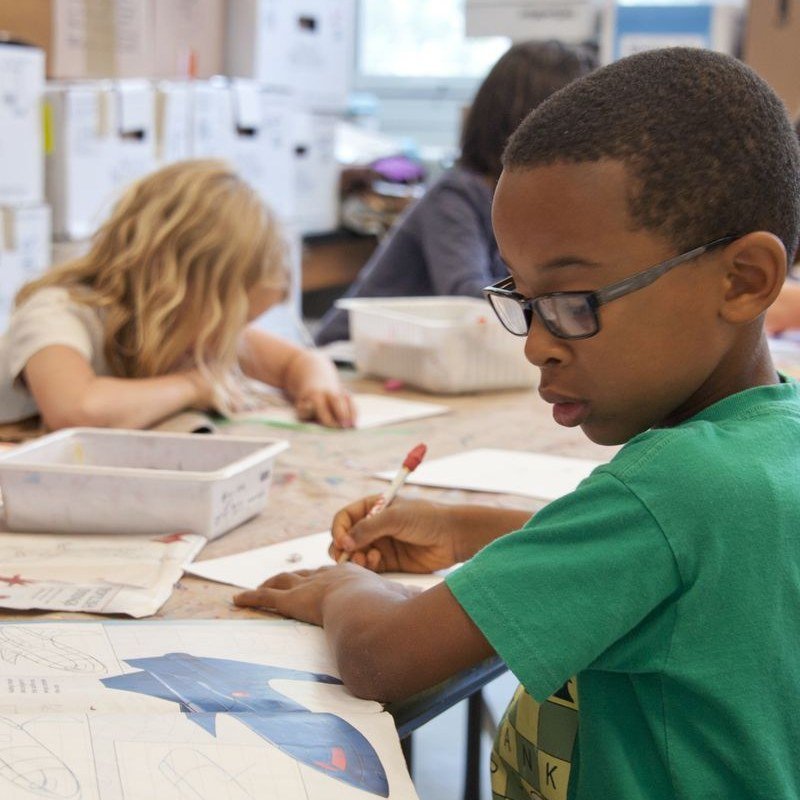 Assessment
Everyday support
Assessment
Everyday support
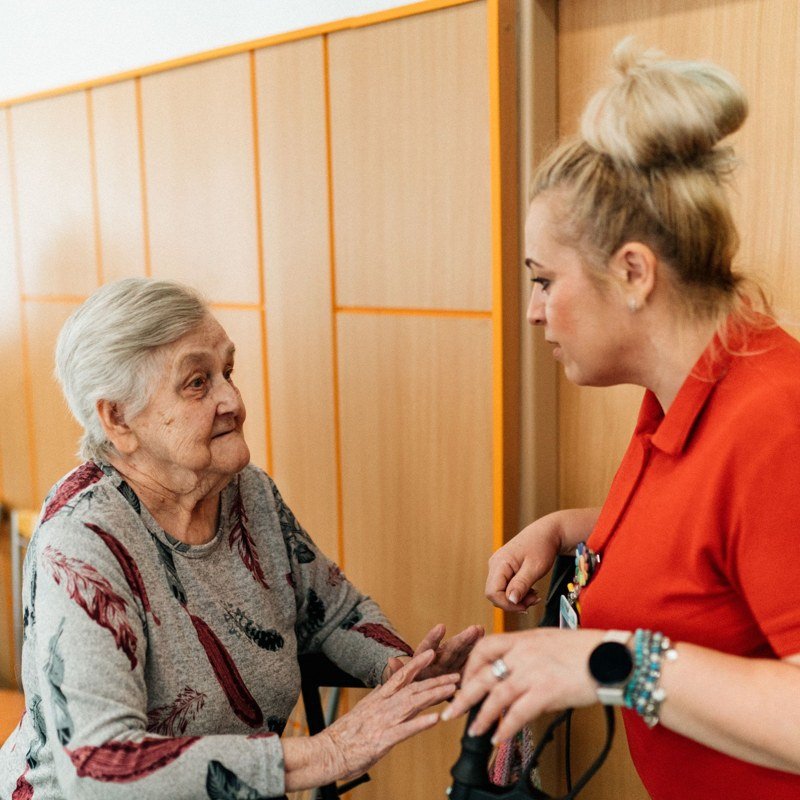
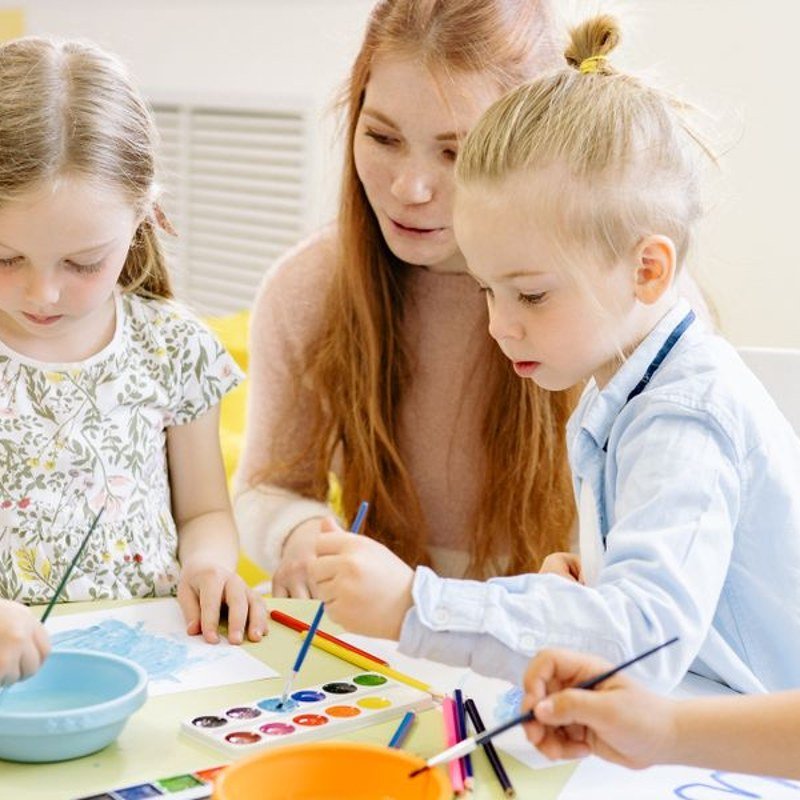
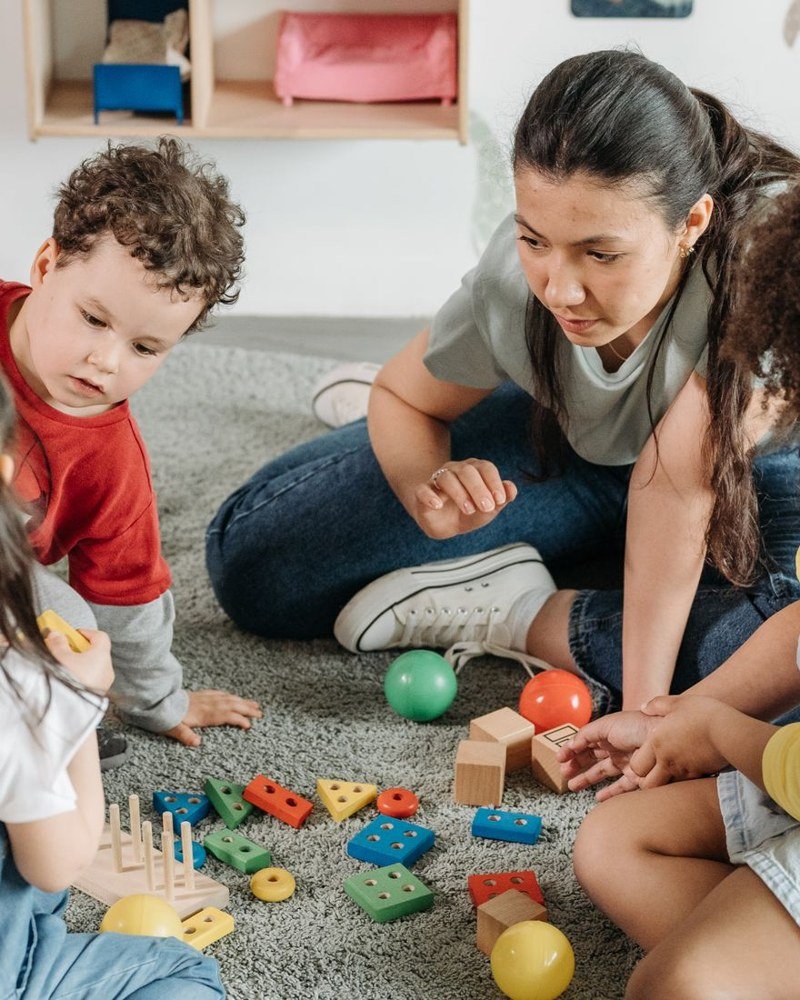
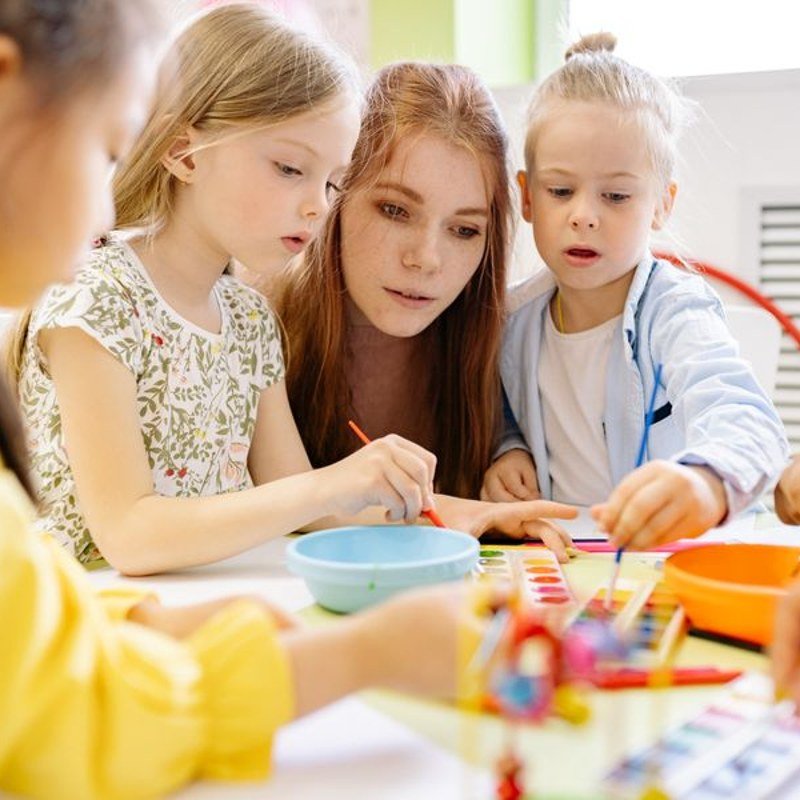
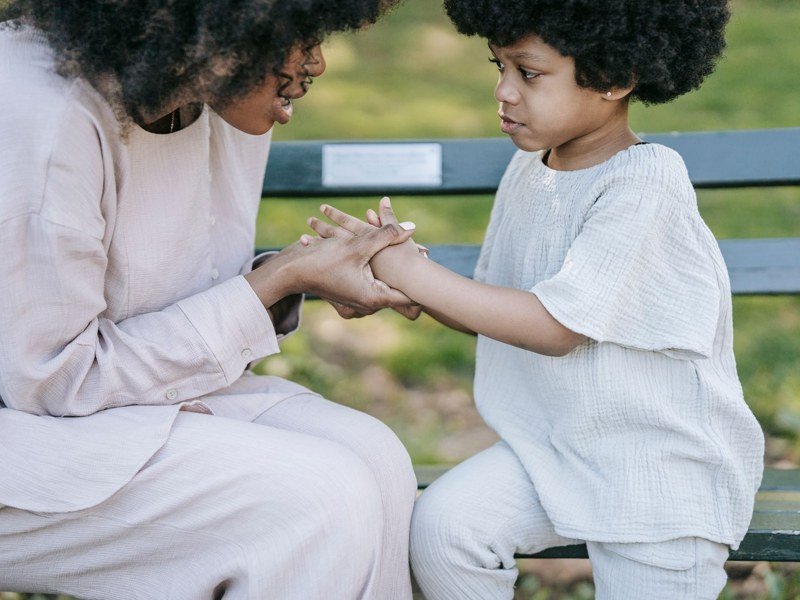
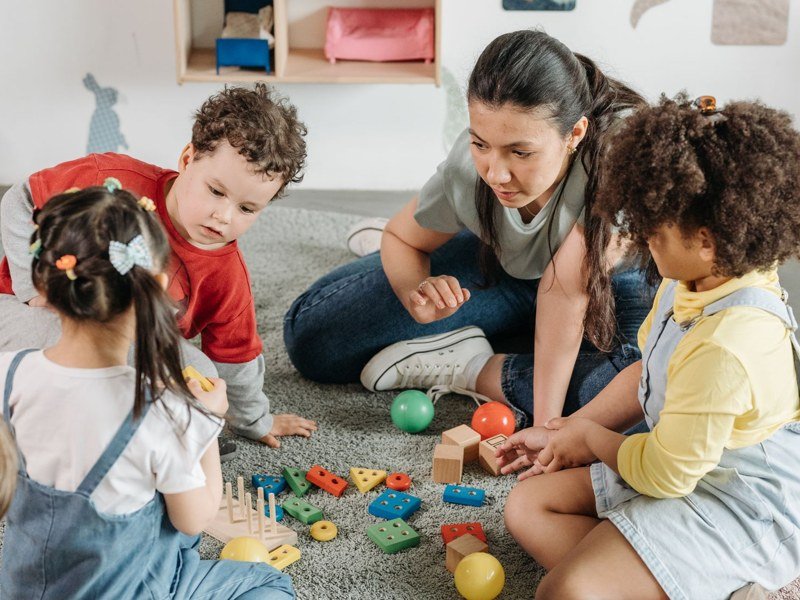
Illustrative stock photography; these images do not show a patient’s before-and-after results.
Individual goals
Assessment helps identify the individual’s needs and priorities. Therapy and home guidance follow those goals, with progress discussed and the plan reviewed as care develops.
Questions
Yes. Early language concerns can be discussed as part of an individual assessment.
The evaluation considers both receptive and expressive language.
Yes. Share the languages used at home and school so the assessment can consider that context.
Related
An individual evaluation of speech, oral and written language, and communication needs.
Learn moreAssessment and therapy for speech sounds, sound patterns and speech clarity.
Learn moreIndividual communication support, including Augmentative and Alternative Communication.
Learn more
Send a message describing what you have noticed. You will get an honest answer about whether this is the right place to start.
Illustrative stock images of communication, learning and everyday support.